Clips and hanging loops for meat, dairy and fish processing
When producing sausages and other foods in casings, every detail matters — from accurate portioning to secure casing closure. A correctly selected and applied clip helps maintain the integrity of the filled casing, while hanging loops allow products to be suspended from processing racks where required.
KOMPO manufactures clips and hanging loops in-house at its production facility in Brest, Belarus, using equipment developed by the company. This integrated approach brings consumables manufacturing and food-processing equipment expertise together.
In-House Manufacturing: Control over Materials and Processes
A sausage clip may look like a simple component, but its performance depends on the aluminium wire, clip geometry and manufacturing consistency. During closure, the clip must deform correctly to suit the casing and the clipper’s tooling.
For food manufacturers, selecting the right clip means considering the complete application: the product, casing, filling conditions and clipping equipment.
How KOMPO Clips Are Manufactured
KOMPO’s clip manufacturing process includes aluminium wire preparation, drawing through diamond dies and multi-stage cleaning. The company’s in-house laboratory checks more than 15 mechanical-property parameters, including stiffness, ductility and resistance characteristics. These checks help maintain the material properties required for consistent clip forming and closure.
Wire drawing reduces the wire diameter to the required size, while controlled processing and inspection help maintain dimensional consistency. The cleaning system removes processing residues from the wire surface before subsequent manufacturing operations.
These stages form the foundation of KOMPO’s approach to producing aluminium clips for industrial clipping applications.
How KOMPO Hanging Loops Are Manufactured
KOMPO also manufactures sausage hanging loops and has introduced in-house twine twisting for loop production.
The range includes:
- Individual hanging loops for manual feeding.
- Taped hanging loops for automatic feeding.
- Longitudinal and transverse taped-loop arrangements to suit different loop-feeding mechanisms.kompo
- The appropriate loop format depends on the clipper configuration, feeding system and product-handling requirements.
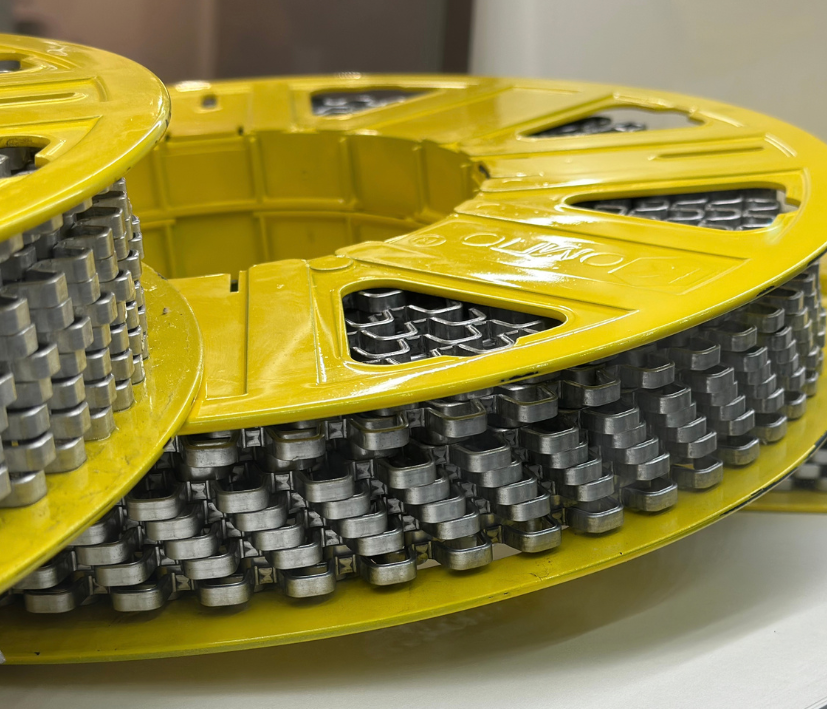
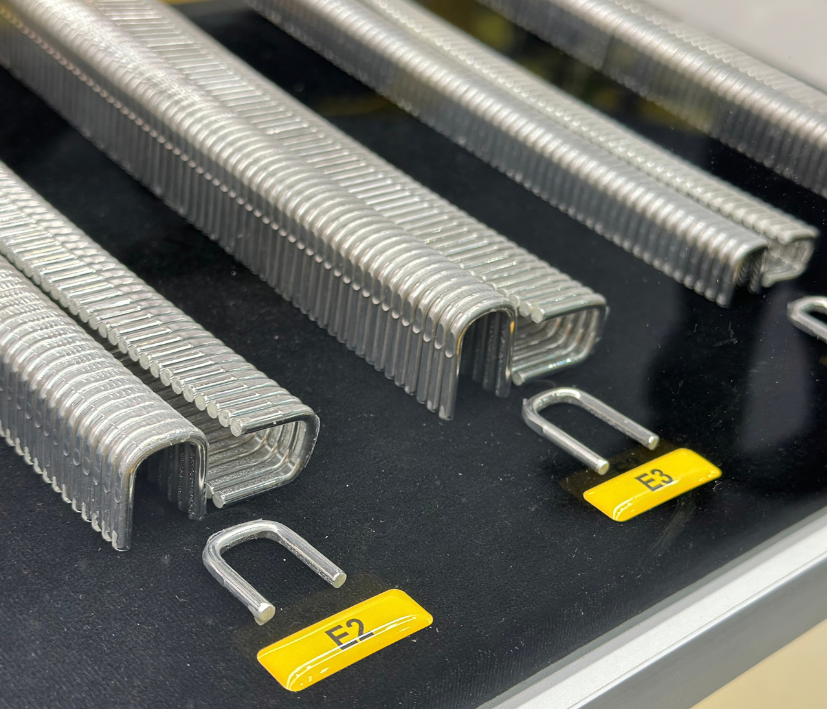
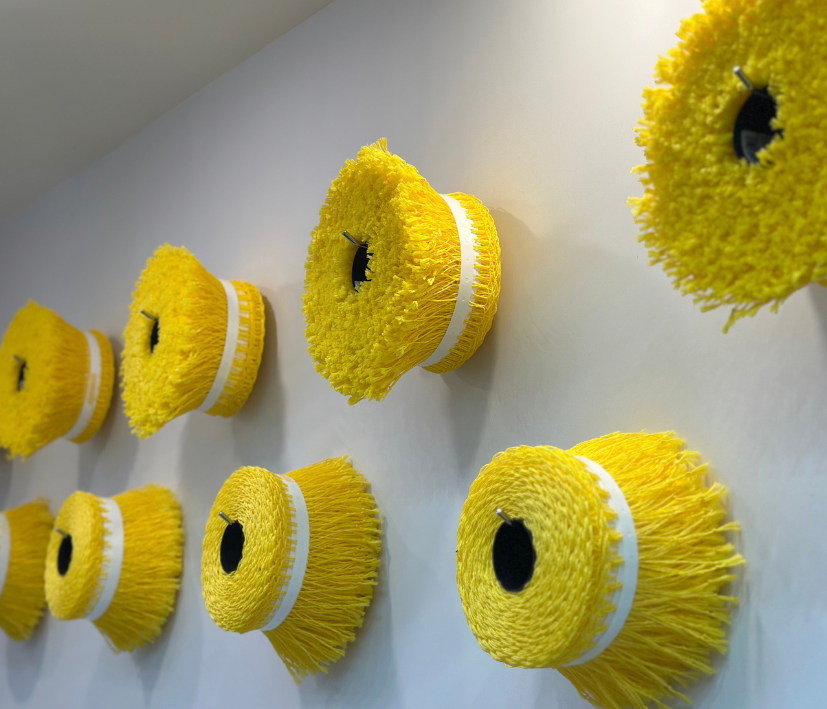
Aluminium Clips for Sausages and Meat Products
Aluminium sausage clips are used to close casings during the production of sausages and other cased meat products.
KOMPO’s clip and hanging-loop range includes different series and sizes for applications involving:
- Collagen and polyamide casings.
- Products with high filling density.
- Large-diameter casings.
- Casings combined with decorative netting.
- Products requiring a hanging loop or labelling strip secured under the clip.
KOMPO hanging loops are attached during clipping and used to suspend meat products from the bars of sausage racks. Depending on the equipment configuration, loops can be fed manually or automatically.
Clips, loops and casings should be selected together, taking account of the clipper’s tooling and the product’s subsequent processing conditions.
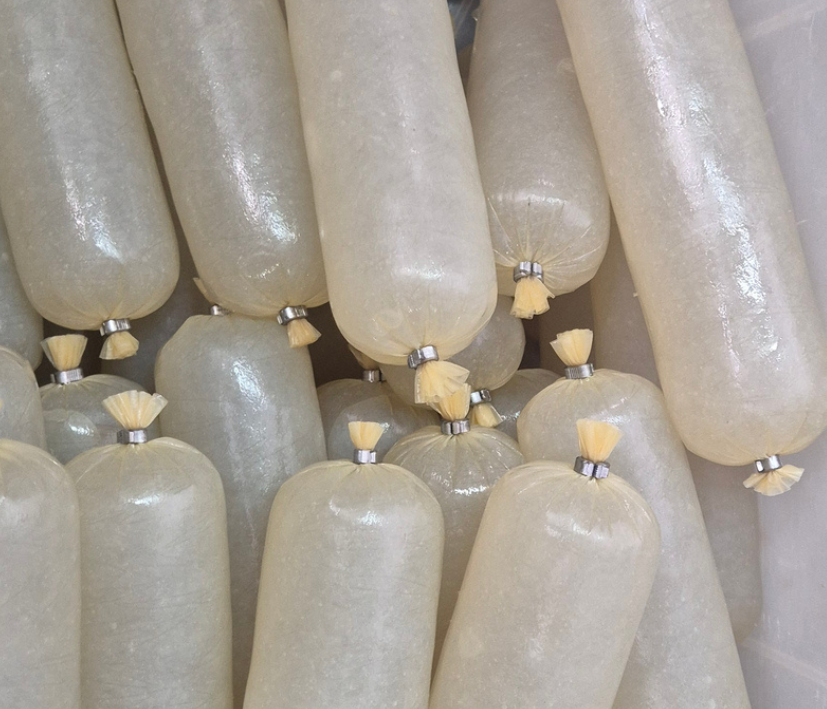


Clips for Cheese, Fresh Curd Cheese and Butter Packaging
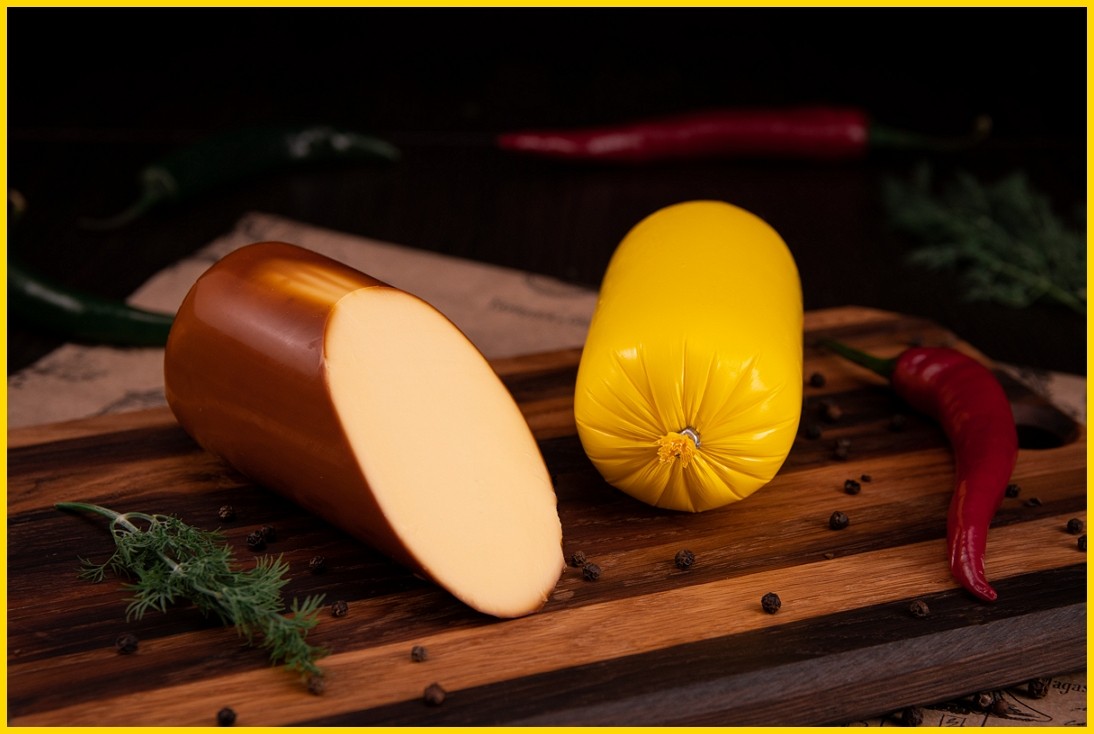
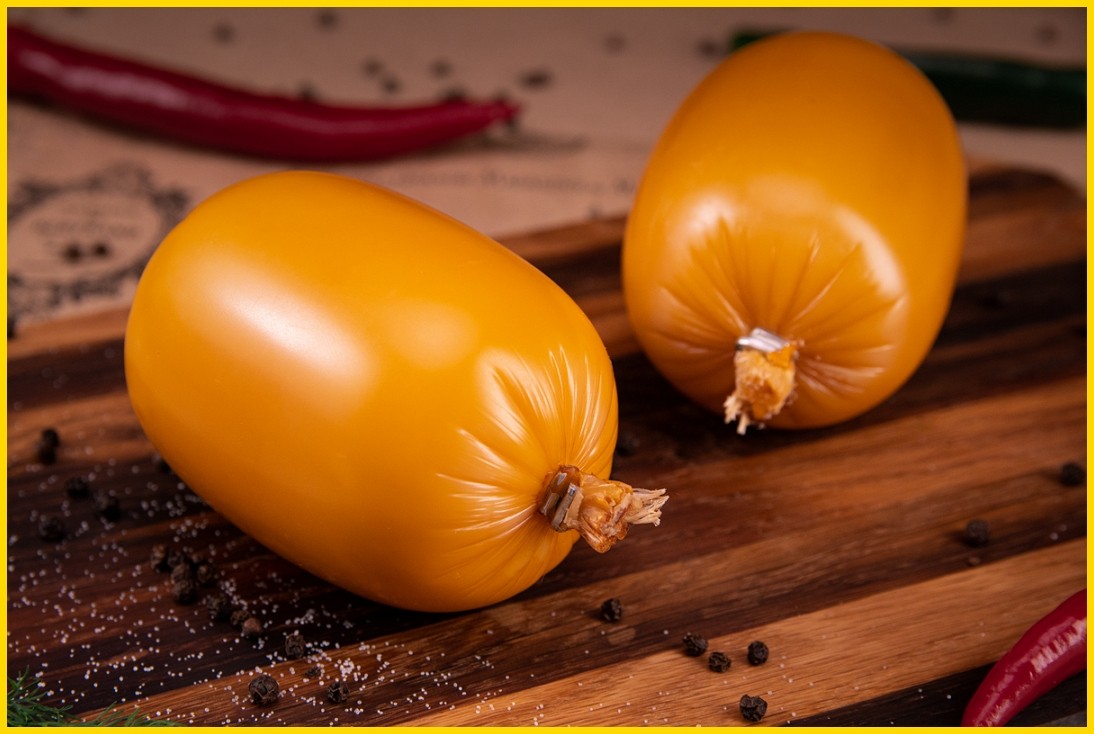
Clipping technology is not limited to sausage production. KOMPO clips are also used to package cheese, fresh curd cheese and butter in polyamide casings. These applications are specifically included in the intended uses of KOMPO’s A-series clips.
KOMPO’s dairy-processing equipment range includes solutions for:
- Processed cheese.
- Mozzarella.
- Butter.
- Soft fresh curd cheese.
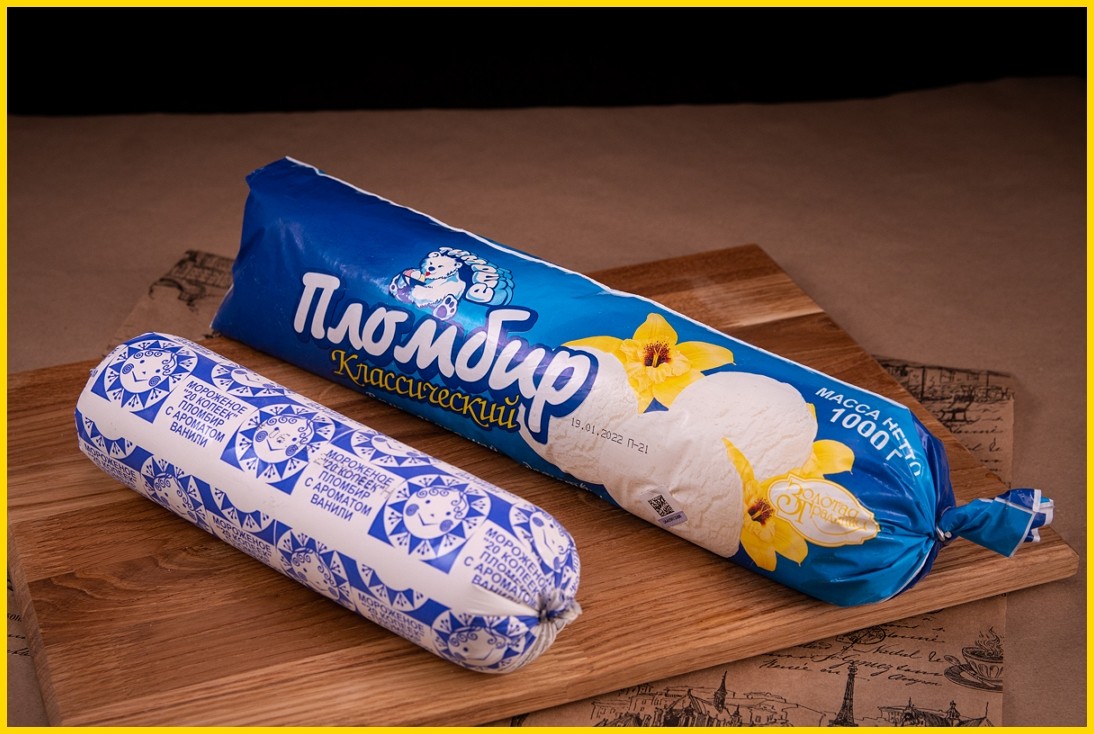
- Ice cream.
The product is portioned into a casing, and the clipper closes both ends to form a log or chub. Depending on the process, products can be made with or without a hanging loop.
For each application, filling temperature, product consistency, casing specifications, portion weight and clipping settings must be assessed together. Cheese and butter logs may look similar to cased meat products, but their processing requirements can differ significantly.



Clips and Hanging Loops for Fish Processing
KOMPO clipping equipment can also be used to form paste-like fish preparations into casings. In this process, the filling machine portions the product into the casing, and the clipper closes the ends.kompo
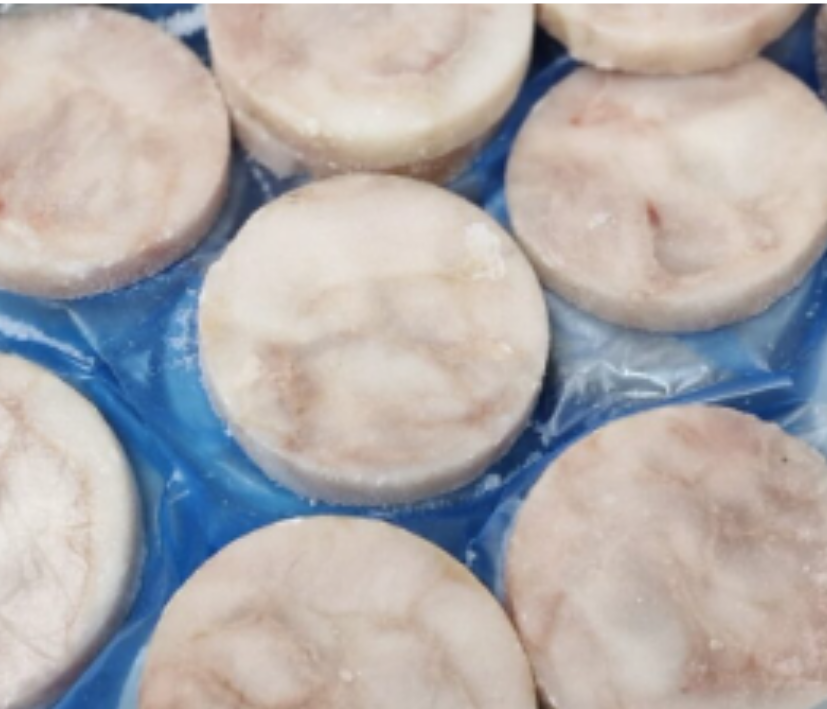
For suitable minced fish formulations, a cased-log process may be considered as an intermediate stage before producing portioned fish products, such as fish patties or fish burger patties.
A proposed process may include:
- Filling and clipping
The fish preparation is portioned into a casing, which is closed with clips. A hanging loop may be incorporated where appropriate. - Freezing
The filled logs are frozen using a process validated for the product. Suspension by a loop should only be used where the loop, closure and handling system are suitable for the load and conditions. - Portioning and packaging
The frozen product is cut into portions and packaged using a method appropriate to the finished product.
This is an application-dependent process, not a universal production method for fish patties. Product structure, hard inclusions, temperature, casing diameter, casing removal and cutting conditions must be evaluated before implementation.
The clip closes the casing; it does not directly form an individual patty.
NSF : Food-Grade Lubricant in Clip Manufacturing
KOMPO uses a special NSF H1 food-grade lubricant in its clip manufacturing process.
The NSF H1 category applies to lubricants intended for use where incidental contact with food may occur. These lubricants are not food ingredients and are not intended for deliberate addition to food. They must be used in accordance with their specified conditions of use.
The distinction matters: The NSF H1 category designation applies to the lubricant, not automatically to the finished clip or the entire production line.
For food manufacturers, lubricant selection is one part of a broader approach to hygiene, correct equipment operation and process control.